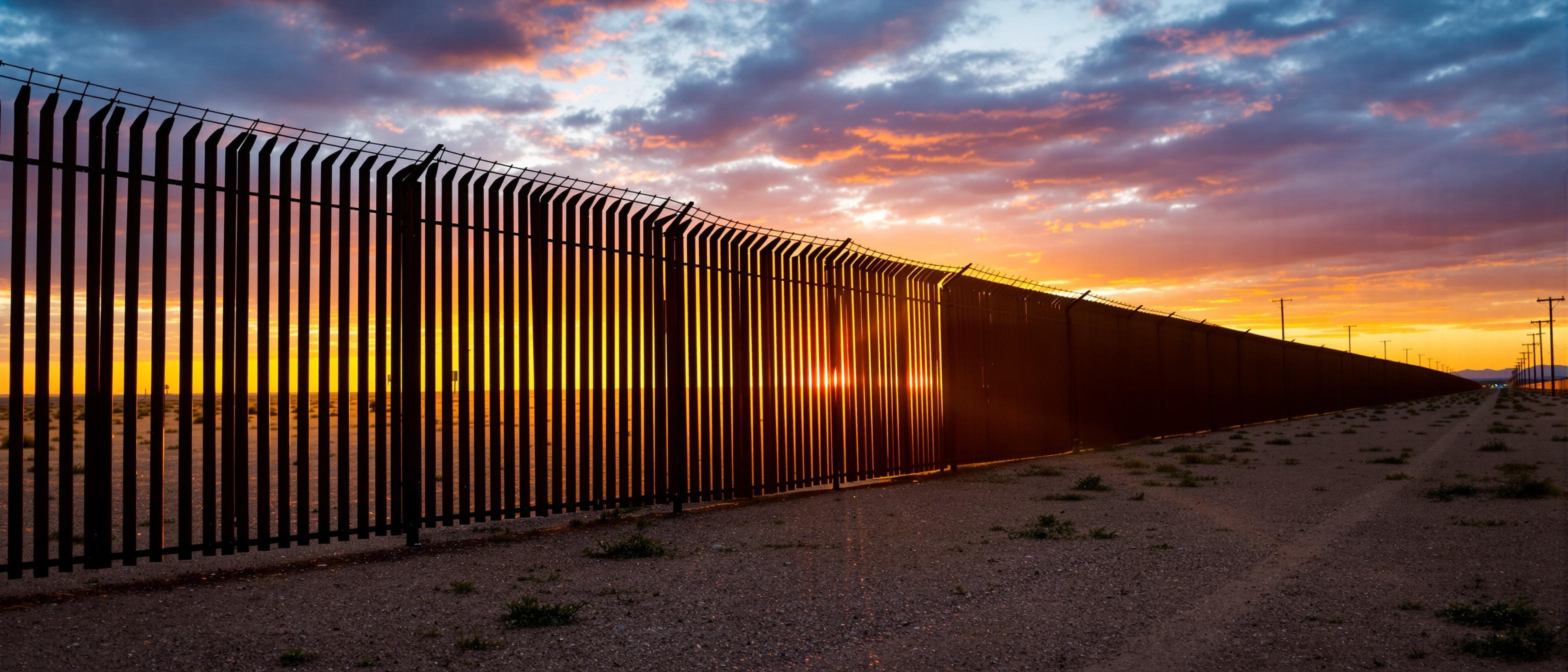
For residents of Ciudad Juarez, the friction between the Trump administration and Mexico is not an abstract political drama playing out in distant capitals—it is a daily reality that affects jobs, families, commutes, and the fundamental fabric of life in one of the world's most interconnected border communities. As tensions escalate between Washington and Mexico City, the people of Juarez find themselves on the front lines of a geopolitical conflict that threatens to disrupt the binational relationships that have defined this region for generations.
A City Built on Cross-Border Connection
To understand how US-Mexico tensions affect Juarez, one must first appreciate the extraordinary degree to which this city's economy, society, and daily life depend on seamless cross-border interaction. Ciudad Juarez and El Paso, Texas, together form one of the largest binational metropolitan areas in the world, with a combined population exceeding 2.5 million people whose lives are intertwined across the international boundary.
Every day, hundreds of thousands of people cross the international bridges connecting Juarez and El Paso. Workers commute to jobs on both sides of the border. Families visit relatives, attend church services, and celebrate holidays together regardless of which side of the line they call home. Students cross to attend schools and universities. Shoppers seek better prices or greater selection. The border, while legally significant, has traditionally been more of a speed bump than a barrier in the daily lives of borderlanders.
The maquiladora industry, which employs hundreds of thousands of Juarez residents, exists precisely because of the economic integration between the United States and Mexico. These manufacturing facilities produce goods for American companies and consumers, relying on supply chains that cross the border multiple times before products reach their final destinations. Any disruption to this flow of goods, people, and commerce sends shockwaves through the Juarez economy.
Border crossing delays directly impact hundreds of thousands of Juarez residents daily
Tariff Threats and Economic Anxiety
Perhaps no aspect of the Trump administration's approach to Mexico generates more anxiety in Juarez than the repeated threats to impose tariffs on Mexican goods. The administration has wielded tariff threats as leverage on issues ranging from immigration enforcement to drug trafficking, creating persistent uncertainty for businesses and workers who depend on cross-border trade.
For the maquiladora industry, tariffs would be devastating. These facilities operate on thin margins, with their competitive advantage depending on the ability to move goods across the border efficiently and without additional costs. Even the threat of tariffs creates problems, as companies hesitate to make long-term investments in Juarez facilities when the rules of trade might change dramatically at any moment.
The uncertainty extends beyond large manufacturers to small businesses throughout Juarez. Retailers who sell American products, service providers who work with US clients, and entrepreneurs who have built businesses around cross-border commerce all face an unpredictable future. Many have reported that the constant threat of trade disruption makes planning impossible and has already caused some customers and partners to seek alternatives.
Workers feel the anxiety most acutely. In a city where manufacturing employment provides the foundation for middle-class life, any threat to the maquiladora industry is a threat to family stability. Workers report stress about whether their jobs will exist next month, next year, or in five years. This uncertainty affects everything from major purchases to family planning decisions.
Border Security Measures and Daily Life
The Trump administration's emphasis on border security has translated into tangible changes at the ports of entry connecting Juarez and El Paso. Enhanced inspection procedures, additional personnel deployments, and periodic operational changes have all affected the experience of crossing the border—and for many Juarez residents, crossing the border is not an occasional event but a daily necessity.
Wait times at the international bridges have become a constant source of frustration and economic cost. Workers who commute to jobs in El Paso must factor in unpredictable delays that can stretch to hours during peak periods or when security measures are heightened. Some have reported losing jobs because they could not reliably arrive on time. Others have had to turn down employment opportunities that would require regular border crossings.
The impact extends to commerce as well. Trucks carrying goods between Juarez manufacturing facilities and US destinations face inspection delays that disrupt just-in-time supply chains. Companies have had to adjust production schedules, increase inventory holdings, and absorb additional costs—all of which affect their competitiveness and, ultimately, employment in Juarez.
Maquiladora workers face uncertainty as US-Mexico tensions threaten the manufacturing sector
Immigration Policy and Family Separation
The human dimension of US-Mexico friction is perhaps most visible in immigration policy. Many Juarez families include members with different immigration statuses—US citizens, legal permanent residents, visa holders, and undocumented individuals often share the same household. Changes in immigration enforcement and policy directly affect these mixed-status families.
The fear of deportation has changed behavior throughout the Juarez-El Paso community. Family members who previously crossed regularly to visit relatives, attend events, or conduct business now hesitate to approach the border. Some families have effectively been separated, with members on one side unable or unwilling to risk crossing to see loved ones on the other side.
Juarez has also become a waiting room for asylum seekers and migrants affected by US immigration policies. The "Remain in Mexico" policy and other measures have left thousands of people stranded in Juarez while their cases are processed. This has created humanitarian challenges for the city and changed the character of some neighborhoods where migrants have concentrated.
The psychological toll on families cannot be overstated. Children worry about parents being deported. Parents worry about being separated from children. The stress of living under constant threat of family disruption affects mental health, school performance, and workplace productivity throughout the community.
Diplomatic Tensions and Local Consequences
The broader diplomatic friction between the Trump administration and the Mexican government creates an atmosphere of uncertainty that affects Juarez in countless ways. When presidents exchange harsh words, when trade negotiations stall, when cooperation on security issues becomes contentious, the effects ripple down to the local level.
Cross-border cooperation on issues like public safety, environmental protection, and infrastructure development depends on functional relationships between US and Mexican authorities at all levels. When the national relationship is strained, local officials find it harder to work together on shared challenges. Projects that would benefit both communities get delayed or cancelled. Information sharing becomes more difficult. The collaborative spirit that has historically characterized the border region gives way to suspicion and defensiveness.
The rhetoric from Washington has also affected how Juarez residents feel about their relationship with the United States. Many report feeling unwelcome, disrespected, or unfairly blamed for problems they did not create. This emotional dimension of the friction may have long-term consequences for binational relations, as a generation of young people on both sides of the border forms impressions that will shape attitudes for decades to come.
Economic Resilience and Adaptation
Despite the challenges, Juarez has demonstrated remarkable resilience in the face of US-Mexico tensions. The city's economy, while stressed, has not collapsed. Businesses have found ways to adapt to new realities. Workers have adjusted their routines to accommodate longer border waits. The community has come together to support those most affected by policy changes.
Some businesses have actually found opportunities in the uncertainty. Companies that help navigate complex trade regulations have seen increased demand. Service providers who can help businesses adapt to changing requirements have thrived. The crisis has also accelerated some positive trends, such as investment in technology that reduces the need for physical border crossings.
Local leaders have worked to strengthen Juarez's position regardless of what happens in Washington. Investments in education, infrastructure, and quality of life aim to make the city attractive to businesses and workers even in a more challenging trade environment. Diversification efforts seek to reduce dependence on any single industry or trading relationship.
Despite challenges, Juarez continues to grow and adapt to changing circumstances
Community Response and Solidarity
One of the most notable responses to US-Mexico tensions has been increased community solidarity within Juarez. Residents have come together to support neighbors affected by policy changes, to advocate for their interests, and to affirm their identity as a proud border community that will not be defined by external conflicts.
Civil society organizations have expanded their work, providing legal assistance to families navigating immigration issues, economic support to workers affected by trade disruptions, and emotional support to those struggling with the stress of uncertainty. Churches, community centers, and neighborhood associations have all played roles in helping residents cope with challenging circumstances.
There has also been a cultural response, with artists, writers, and musicians exploring themes of border identity, resilience, and resistance. This creative expression helps the community process difficult experiences and affirms the value of border culture in the face of rhetoric that sometimes seems designed to diminish it.
Looking Forward: Uncertainty and Hope
As Juarez residents look to the future, uncertainty remains the dominant theme. No one knows how long current tensions will persist, whether they will escalate or ease, or what new challenges might emerge. This uncertainty makes planning difficult at every level, from individual families to major corporations.
Yet there is also hope. The fundamental factors that have made Juarez a successful manufacturing center and vibrant community remain in place. The city's location, workforce, infrastructure, and entrepreneurial spirit are assets that will retain value regardless of political circumstances. The deep human connections between Juarez and El Paso, built over generations, cannot be severed by policy changes.
Many Juarez residents express confidence that their community will weather the current storm as it has weathered challenges before. They point to the city's recovery from the violence of the drug war years as evidence of resilience. They note that political situations change, and that the current friction may eventually give way to renewed cooperation.
In the meantime, life goes on. Workers continue to show up at maquiladora jobs. Families continue to cross the border to visit relatives. Businesses continue to serve customers. Students continue to pursue education. The daily rhythms of life in Juarez persist, even as the political backdrop creates stress and uncertainty. This persistence, this determination to continue building lives and community despite external pressures, may be the most powerful response to the friction between nations.